Showing posts with label LTTE. Show all posts

Wednesday, 28 July 2021

The Alfred Duraiappah Dossier MURDERED BY PRABHAKARAN OF LTTE


The Alfred Duraiappah Dossier MURDERED

BY PRABHAKARAN  OF LTTE


யாழ்ப்பாண மாநகர மேயர் திரு.அல்பிரட் துரையப்பா 1975 ஆம் ஆண்டு யூலை 27ம் திகதி பொன்னாலை வரதராஜப் பெருமாள் கோவில் முன்றலில் சுட்டுக் கொல்லப்பட்டார். சுட்டவர்கள் இன்றைய புலிகள் இயக்கத் தலைவர் வேலுப்பிள்ளை பிரபாகரனும் அவரது சகாக்களும்.

துரையப்பாவின் கொலை இலங்கையில் தமிழர் வரலாற்றில் முதலாவது அரசியல் கொலையாகக் கணிக்கப்படுகிறது. ஆனால் உண்மையில் இக்கொலை தமிழர்களின் வாழ்வில் அரசியல் பயங்கரவாதத்தின் தொடக்கமாகும்.

இன்றைய தலைமுறையினரிடம் “துரையப்பா யார்?” என்றொரு கேள்வியைக் கேட்டால், “அவர் ஒரு தமிழினத் துரோகி” என்ற பதில் சர்வசாதாரணமாகக் கிடைக்கும். ஏனெனில் இன்று தமிழர்களின் தலைவிதியைத் தீர்மானிப்போராக இருப்பவர்கள், அவர் சுடப்பட்ட காலத்தில் சிறுவர்களாக அல்லது அச்சமயம் பிறந்தவர்களாக இருந்ததே.

துரையப்பாவை துரோகியாக இனம் காட்டிய “தளபதி” அமிர்தலிங்கமும், அவரது சகாவான “இளைஞர்களின் இதயக்கனி” யோகேஸ்வரனும் கூட பின்னர் தமிழினத் துரோகிகளாக புலிகளின் தலைவரால் இனம் காணப்பட்டு சுட்டுக் கொல்லப்பட்டுவிட்டனர்.


அதுமாத்திரமின்றி, துரையப்பாவைச் சுட்டுவிட்டு தனது வீட்டுக்கு புகலிடம் தேடி வந்த பிரபாகரனுக்கு தேநீர் தயாரித்துக் கொடுத்த யோகேஸ்வரனின் விதவை மனைவி சரோஜினியும் யாழ் மாநகர மேயர் என்ற மகுடத்துடன், “துரோகி” என்ற புலிகளின் மகுடத்தையும் தாங்கியவாறு சுட்டுக் கொல்லப்பட்டுவிட்டார்.
தமது அரசியல் எதிரிகளை அரங்கிலிருந்து அகற்ற ஆரம்பித்த துரோக நாடகத்தின் சிருஸ்டிகர்த்தாக்களே அதே நாடகத்தில் துரோகிகளாக வேசம் கட்டப்பட்டதுதான் உச்சக்கட்ட துன்பியல் காட்சியாகும்.
எது எப்படியிருப்பினும், துரையப்பா சுடப்பட்ட காலத்து யாழ்ப்பாண அரசியலை, அக்கறையுள்ளவர்களுக்கு சொல்லி வைப்பது வருங்காலத்திலாவது தமிழர் வாழ்வுக்கு ஒளியேற்றப் பாடுபடுபவர்களுக்கு பயனாக இருக்கும்.

யாழ்ப்பாணப் பாராளுமன்றத் தொகுதி வடக்கு கிழக்கின் மற்றைய தொகுதிகளை விட சற்று வித்தியாசமான ஒரு தொகுதி. தமிழர்களின் தலைநகரம் போல கருதப்பட்ட இத்தொகுதியில் இயல்பாகவே எல்லா இனத்தினரும், எல்லா மதத்தினரும், எல்லாச் சாதியினரும், எல்லாத் தொழில்துறையினரும் நிறைந்து வாழ்ந்தனர். இத்தகைய ஒரு நகரின் செல்வாக்கு மிக்க மேயராக துரையப்பா திகழ்ந்தார். குறிப்பாக, ஏழை மக்கள், சாதி குறைந்த மக்கள், மீனவர்கள், கத்தோலிக்க மக்கள், அநாதரவான பெண்கள் என யாழ்ப்பாணச் சமூகத்தில் இரண்டாம்தர நிலையில் வாழ்ந்த மக்களே துரையப்பாவின் ஆதரவு சக்திகளாகும்.
இத்தொகுதியில் கணிசமாக வாழ்ந்த சைவ – வேளாள மேட்டுக்குடி மக்களில் பெரும்பான்மையானோர் தமிழ் காங்கிரஸ், தமிழரசுக் கட்சிகளுக்கே தமது ஆதரவை வழங்கி வந்தனர். அதிலும் குறிப்பாக, அந்தக் காலத்தில் வெளிப்படையாகவே சாதி வெறியும் சைவ வெறியும் கொண்டு நின்ற ஜி.ஜி.பொன்னம்பலத்தின் காங்கிரசுக்கே மேட்டுக் குடியினர் ஆதரவு கூடுதலாக இருந்தது.


இடதுசாரிகளின் கட்சிகளுக்கும் கணிசமான செல்வாக்கு இருந்ததால் அவர்களது ஆதரவும் பெரும்பாலும் துரையப்பாவுக்கே. இதனால் தமிழரசுக் கட்சியின் நிலை யாழ்ப்பாணத் தொகுதியில் சற்றுப் பலவீனமாகவே இருந்து வந்தது.
1956ம் ஆண்டுத் தேர்தலில் ஜி.ஜி.பொன்னம்பலம் யாழ்ப்பாண எம்.பியாகத் தெரிவானார். 60ம் ஆண்டுத் தேர்தலில் சுயேட்சையாகப் போட்டியிட்ட துரையப்பா யாழ்ப்பாண எம்.பியாகத் தெரிவு செய்யப்பட்டதிலிருந்தே அவரது செல்வாக்கு தெளிவாகும்.

1970ம் ஆண்டு மட்டுமே தமிழரசுக் கட்சியின் சார்பில் போட்டியிட்ட சி.எக்ஸ்.மார்ட்டின் 64 மேலதிக வாக்குகளால் வெற்றி பெற்றார். அதுவும் கூட ஒரு முன்னாள் நீதிபதி என்பதும், ஒரு கிறிஸ்தவர் என்பதுமான இரண்டு சாதகமான அம்சங்கள் அவரது வெற்றிக்கு அனுகூலமாக இருந்தன.
இருப்பினும் யாழ்ப்பாண நகரினதும் மக்களினதும் அபிவிருத்தி தேவைகளை கணக்கிலெடுத்த மார்ட்டின், வெற்றி பெற்ற சில நாட்களில் தமிழரசுக் கட்சியை விட்டு விலகி ஸ்ரீமாவோ அரசின் பக்கம் சேர்ந்து கொண்டார்.

இத்தகைய சூழ்நிலையில் யாழ்ப்பாணத் தொகுதி எப்பொழுதும் தமிழரசுக் கட்சிக்கு ஒரு சவாலாகவே இருந்தது. ஊர்காவற்துறையிலும் சாவகச்சேரியிலும் ஒரு தடியை நட்டுவிட்டு தமிழரசுக் கட்சி என்று சொன்னாலும் மக்கள் வோட்டுப் போடுவார்கள் என்று அநாயாசமாகச் சொல்லும் தமிழரசுக் கட்சித் தொண்டர்கள் யாழ்ப்பாணத் தொகுதி என்று வந்தால் எப்போதும் மிக அவதானமாகவே இருப்பர்.
1972ல் ஸ்ரீமாவோ அரசு கொண்டு வந்த புதிய அரசியல் சாசனத்தை எதிர்த்து தனது காங்கேசன்துறை தொகுதி எம்.பி. பதவியை இராஜினாமா செய்து இடைத் தேர்தலொன்றுக்கு வழிவகுத்த தமிழரசுக் கட்சித் தலைவர் எஸ்.ஜே.வி.செல்வநாயகம் அவர்கள் அத்தேர்தலில் வென்ற போதும், தம்மை எதிர்த்துப் போட்டியிட்ட வி.பொன்னம்பலத்திடம் 1970 பொதுத் தேர்தலை விட 1,000 கூடுதல் வாக்குகளை இழக்க நேரிட்டது.

இந்தச் சூழ்நிலையில் அரசியல் ரீதியிலும் தனிப்பட்ட ரீதியிலும் துரையப்பாவின் செல்வாக்கை வீழ்த்த முடியாத தமிழ் தலைமை துரையப்பாவை வன்முறையின் மூலம் அழித்துவிட முடிவு எடுத்தது.
துரையப்பாவுக்கு தனிப்பட்ட முறையில் யாழ்ப்பாண மக்களிடம் செல்வாக்கு இருந்தது. துரையப்பா மாநகரசபை மேயராக மட்டுமின்றி, மக்களுடன் அதிகம் தொடர்புடைய யாழ். பலநோக்குக் கூட்டுறவுச் சங்கத்தின் தலைவராகவும் இருந்தார். பல தமிழ்த் தலைவர்களைப் போலல்லாது பணம் வாங்காமல் ஏழைகளுக்காக நீதிமன்றங்களில் வாதாடும் வழக்கறிஞராகவும் இருந்தார். அத்துடன் அவரது மனைவி யாழ்ப்பாணத்தில் டாக்டராகவும் இருந்தார். தனது ஆதரவாளர்களின் நன்மை தீமை நிகழ்ச்சிகளில் மட்டுமின்றி, எதிர்ப்பாளர்களின் நிகழ்ச்சிகளிலும் கூட அழைப்பில்லாவிடினும் தவறாமல் கலந்து கொள்ளும் ஒருவராக இருந்தார்.

அதிகாலையிலேயே துரையப்பாவின் வீட்டின் முன்னால் நூற்றுக்கணக்கான மக்கள் தமது அன்றாடப் பிரச்சினைகளுக்கு பரிகாரம் காணுவதற்காக கூடி நிற்பதைக் காணலாம். இந்தக் காட்சியை வேறு எந்தவொரு தமிழ் அரசியல்வாதியின் வீட்டின் முன்னாலும் அப்போது காண முடியாது.
எல்லாவற்றுக்கும் மேலாக இன்றைய நவீன யாழ்ப்பாணத்தின் சிற்பி துரையப்பாதான் என்பது எல்லோரும் ஏற்றுக்கொண்ட ஒரு உண்மையாகும். இவருக்கு முன்னர் யாழ் மாநகர அபிவிருத்தியில் சாம் சபாபதியே கூடுதல் அக்கறை கொண்ட மேயராவார்.
துரையப்பாவை அழிப்பதற்கு முன்னர் அதற்குத் தேவையான “துரோகி” முத்திரை குத்தலையும் பிரச்சாரத்தையும் தமிழ்த் தலைமை கனகச்சிதமாக மேற்கொண்டிருந்தது.

1974ல் யாழ்ப்பாணத்தில் நடத்தப்பட்ட 4வது தமிழாராய்ச்சி மாநாட்டின் இறுதிநாள் நிகழ்ச்சிகளின் போது தமிழரசுத் தலைமையாலும், தென்னிந்தியாவிலிருந்து வந்து கலந்து கொண்ட இரா.ஜனார்த்தனம் போன்றோராலும் திட்டமிட்டு உருவாக்கப்பட்ட குழப்பங்களின் சூத்திரதாரியாக துரையப்பாவை இனம்காட்டி வேண்டுமென்றே பிரச்சாரம் செய்யப்பட்டு வந்தது.

1972ல் கொல்வின் ஆர்.டி.சில்வா உருவாக்கிய, தமிழர்களைப் புறக்கணித்த புதிய அரசியல் சாசனத்தாலும், தமிழ் மாணவர்கள் மீதான பாரபட்சமான தரப்படுத்தல் முறையாலும் விரக்தியும் கோபமும் அடைந்திருந்த தமிழ் இளைஞர்களின் பொது விரோதியாக துரையப்பாவை தமிழ் தலைவர்கள் சித்தரித்து வந்தனர். 1965 – 69 காலகட்டத்தில் டட்லியின் ஐ.தே.க. அரசில் தமிழரசு – காங்கிரஸ் கட்சிகள் அங்கம் வகித்து தமிழர் உரிமைகளை காற்றில் பறக்கவிட்டதற்குப் பரிசாக 1970 பொதுத் தேர்தலில் வட்டுக்கோட்டைத் தொகுதியில் அமிர்தலிங்கத்தையும், உடுப்பிட்டித் தொகுதியில் மு.சிவசிதம்பரத்தையும் மக்கள் தோற்கடித்தனர்.

பாராளுமன்றத்திற்கு வெளியே விடப்பட்ட வேலையற்ற இத்தலைவர்கள் இருவரும் மூலை முடுக்கெல்லாம் சென்று கருத்தரங்குகள் நடாத்தி தமிழ் இளைஞர்களை அணிதிரட்டினர். சட்டவிரோத வேலைகளில் இளைஞர்கள் ஈடுபடுத்தப்பட்டதுடன், 1977 தேர்தலில் தமிழர் கூட்டணி சார்பில் போட்டியிடக் காத்திருந்த யோகேஸ்வரன் வீட்டில் ‘துரோகிகளை’ ஒழிப்பதற்காக தொடர்ச்சியாக மேலதிக ஆலோசனைகளும் திட்டங்களும் இடம் பெற்றன.

தமிழர் கூட்டணியின் அங்குரார்ப்பணத்தை தனது வல்வெட்டித்துறை வீட்டில் முன்னின்று நடாத்திய முன்னாள் உப தபாலதிபர் ஞானமூர்த்தி துணிச்சல் மிக்க வல்வெட்டித்துறை இளைஞர்கள் சிலரை யோகேஸ்வரனுக்கும் இதர தலைவர்களுக்கும் அறிமுகப்படுத்தினார். அவ்வாறு அறிமுகமாகி துரையப்பாவைக் கொலை செய்தவர்தான் இன்றைய புலிகளின் தலைவர் திரு.பிரபாகரன்.

துரையப்பா கொலை செய்யப்பட்ட போது விடுதலைப் புலிகள் உட்பட இப்போதுள்ள எந்த இயக்கமும் உருவாகி இருக்கவில்லை. தமிழர்களின் ஒரேயொரு ஏகபோக கட்சியாக தமிழர் கூட்டணியே விளங்கியது.
எனவே, ஒரு தொகுதியை வெல்வதற்கான அற்பத் தேவைக்காக, ஒரு மக்கள் செல்வாக்குப் பெற்ற நகர முதல்வரைக் கொலை செய்வதற்கு தமிழ் தலைமை திட்டமிட்டு செயலாற்றியது என மக்கள் நம்புவதற்கு இதுவே காரணம்.

தவிரவும், துரையப்பா கொலை செய்யப்பட்ட போது ஆயுதக் கலாச்சாரத்தின் தொடக்கத்தை எஸ்.ஜே.வி.செல்வநாயகம் உட்பட எந்த தமிழர் கூட்டணித் தலைவரும் கண்டிக்கவில்லை. போதாததிற்கு சுட்டுவிட்டு வந்தவர்களுக்கு தேநீர் தயாரித்துப் பரிமாறியதை தான் சுடப்பட்டதற்கு சில தினங்களுக்கு முன்னர் வழங்கிய பேட்டியொன்றில் யோகேஸ்வரன் எம்.பியின் மனைவி சரோஜினியே பகிரங்கப்படுத்தியுள்ளார்.

ஆனால், துரையப்பாவின் கொலை யாழ்ப்பாணத்தில் அன்று பெரும் கவலையையும் கோபாவேசத்தையும் கிளறியதை நேரில் கண்டவர்கள் நன்கறிவர். கொலைச் செய்தி பரவியதும் சாதாரண பொதுமக்கள் கதறி அழுததுடன், பெரியாஸ்பத்திரியை நோக்கி ஆயிரக்கணக்கில் படையெடுத்தனர்.
அவரது இறுதிச் சடங்கின் போது, பூதவுடல் வைக்கப்பட்டிருந்த யாழ் நகர மண்டபத்திற்கு அதிகாலையிலிருந்து பொழுது சாயும் வரை ஆயிரக்கணக்கான மக்கள் திரண்டு வந்து இறுதி அஞ்சலி செலுத்தினர். பெரும்பாலும் வீடுகளை விட்டு வெளியே வந்து பொது நிகழ்வுகளில் கலந்து கொள்ளாத யாழ். முஸ்லீம் பெண்கள் கூட நீண்ட வரிசையில் நூற்றுக்கணக்கில் அஞ்சலி செலுத்தக் காத்திருந்தனர்.
துரையப்பாவின் மரணச் சடங்கைத் தவிர யாழ்ப்பாணத்தில் அதிக மக்கள் கலந்துகொண்ட மரண நிகழ்வு தமிழர் கூட்டணித் தலைவர் எஸ்.ஜே.வி.செல்வநாயகத்தினுடையது மட்டுமே.
ஆனால் ஒரு வித்தியாசம் திரு.செல்வநாயகம் இலங்கை முழுவதும் அப்பொழுது வாழ்ந்த 35 இலட்சம் தமிழ் பேசும் மக்களின் தலைவராகவும் தந்தையாகவும் வர்ணிக்கப்பட்டவர். ஆனால் துரையப்பாவோ யாழ் நகரின் சில ஆயிரக்கணக்கான மக்கள் மத்தியில் அரசியல் நடத்தியவர்.

துரையப்பாவுக்கு துரோக முத்திரை குத்தியவர்களும் பின்னர் அதே முத்திரையின் கீழ் கொண்டு வரப்பட்டுவிட்டனர். ஆனால் தமிழ் பயங்கரவாதத்திற்கு இரையான முதல் களப்பலி என்ற வகையில் துரையப்பாவின் பெயர் மட்டுமே இறுதிவரை நிலைத்து நிற்கும் பெருமை பெற்றது.


யார் குற்றம்?

இன்று யாழ்ப்பாண மாநகர மேயர் திரு.அல்பிரட் துரையப்பா (1975 ஆம் ஆண்டு யூலை 27ம் திகதி) பொன்னாலை வரதராஜப் பெருமாள் கோவில் முன்றலில் சுட்டுக் கொல்லப்பட்ட தினம். 

ஒரு தொகுதியை வெல்வதற்கான அற்பத் தேவைக்காக, ஒரு மக்கள் செல்வாக்குப் பெற்ற நகர முதல்வரைக் கொலை செய்வதற்கு தமிழரசு  திட்டமிட்டு செயலாற்றியது  வேலுப்பிள்ளை பிரபாகரனையும் அவரது சகாக்களையும் துரையப்பாவை சுட்டுக்கொல்ல தமிழரசு கட்சி பயன்படுத்தியது. 

எதிரியெனப்படுபவனை துரோகியென்று சுட்டுக்கொல்வதே இன்றுமுதல் தமிழர்களின் அறம்  என்னும் வரலாறு தொடக்கி வைக்கப்பட்ட 21 நாட்களின் பின்னர் வாழைச்சேனையில் பிறந்தார்  பிள்ளையான். 

ஒரு லட்ஷம் கொலைகள் நடந்த நாட்டில் இந்த மட்டக்களப்பான்  மட்டும் விசாரிக்கப்படுகின்றானாம். 

நல்லாட்சி அரசில் தமிழரசு கட்சி மக்களுக்கு செய்த  கேவலமான சாதனை இதுதான்.

பொறுங்கடா மக்காள் இன்னும் எண்ணிச்சில நாட்கள் மக்களின் தீர்ப்பே மகேசன் தீர்ப்பு.

Part 1

by Sachi Sri Kantha, July 26, 2010

One should ask the vital question, whether if Duraiappah was such a democrat who cared about the welfare of Tamil voters in Jaffna district and fairplay, why he couldn’t force his political mentors to hold the Kankesanthurai by-election in time, rather than abetting in the postponement of that election from October 1972 to February 1975?

Duraiappah was indeed a ‘patriot’ for the Sinhalese, for the reason I mentioned in the first paragraph of this essay. But, majority of Eelam Tamils would never agree that he was a ‘leader’ of Tamils, like G.G. Ponnambalam Sr, S.J.V. Chelvanayakam, A. Amirthalingam or V. Prabhakaran. This is because, one criterion that separates Duraiappah from these four was that he was never cussed by the Sinhalese for his politics and bravura.

Alfred Thambirajah Duraiappah (1926-1975) has become the Tunney Hunsaker (1930-2005) of Tamil history. Just for the same reason, Hunsaker (a journeyman pugilist) is remembered because he was the first opponent of boxing great Muhammad Ali (born 1942) to fall in 1960, Duraiappah’s name is remembered now, because he was the first military target of LTTE leader Prabhakaran.

Colombo media is propagating the myth that Duraiappah was the savior of Tamils. But, Tamils with self respect and dignity look down on Duraiappah as a traitor and pimp for Sinhalese political interests. Personally, Duraiappah would have been an affable politico swimming against the Tamil nationalism current of his times (circa 1970-75). But, his deeds have not been forgotten. He was in the national limelight only during 1960-64, as the MP for Jaffna. In the early 1960s, many Tamils looked down on him, as an upstart.

Last year, in the aftermath of the LTTE’s military defeat, the Colombo Daily News (May 26, 2009) belonging to the Lake House Group began a series of ‘Chronology of LTTE Terror’, with the Alfred Duraiappah murder (authored by Wijitha Nakkawita) as part 1. It is not as a joke that in Sri Lanka the journalism of Lake House is derisively tagged as ‘Fake House’. Even though, many Tamil journalists did contribute their sweat and blood to build up the Lake House, the real fact remains that ‘Fake House’ never championed the Tamil cause, even before the LTTE became a noted name in Sri Lanka's political lexicon. As such, it is my onus to present some details on the political career of Alfred Duraiappah, for balance.

In this part 1, I introduce an unusual 8-page document, which appeared after Duraiappah’s assassination on July 27, 1975. After 35 years, it deserves preservation. The original is in Tamil verse, which I provide as a scanned document in five frames. To the best of my ability, I have translated it into English, though I’m the first to admit that much of the poetic vigor and word play get dimmed in translation. The very name Duraiappah could be split as (Durai + Appah), with the meaning Durai=Lord and Appah = Lord. The word, Amma (literally, ‘mother’) can also mean a wailing cry ‘O’ My God’. Quite a number of tree names (palmyrah, coconut, lotus, water lily, tamarind, fragrant screw pine, kotti, Aloe, and othiya tree) of local flavor appear in the verse, replete with colorful idioms. Especially, othiya tree (Odina pinnata) in Tamil lore has the image as a tree of no use. According to Peter Percival’s Tamil-English dictionary, othiya tree is proverbially said of those who have a specious appearance, but are fit for nothing. Duraiappah’s deeds were satirized as that of othiya tree.

Oppari (wailing lament) is a folk music tradition, prevalent among Tamils. It is sung by women, when men die. Sadly, this music genre is in decline. This document, composed in 1975, provides a derisive oppari, as sung by Dr (Mrs) Parames Duraiappah. Four specific lines in the verse make reference to pallanguli (a 14-hole board game played by Tamil girls and women) with the double entendre meaning as ‘I’ve lost you’ – a side reference to Alfred Duraiappah’s extra-political activity as a pimp for Sinhalese interests.

To be fair, Mrs. Duraiappah was a respected personality of her times. She was a niece of G.G. Ponnambalam Sr. (1902-1977). Being medically qualified, Mrs. Duraiappah quit the Sri Lankan health services (after working at Lady Ridgeway Hospital and Castle Street Maternity Home in Colombo and at Jaffna Hospital), and served at Brunei Government Medical Services from 1967 until her death on January 15, 1988.
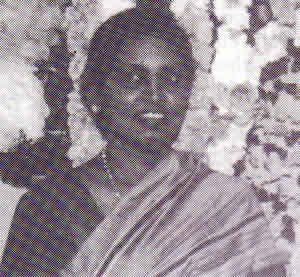
Dr (Mrs) Parames Duraiappah
Dr. (Mrs.) Parames Duraiappah

It is a fact that it was partly due to the social rapport earned by Mrs. Duraiappah as a physician (and as a niece of G.G. Ponnambalam Sr), that her wayward husband Alfred Duraiappah could cash in and squeak through as a victor in two general elections in Jaffna constituency against the formidable G.G. Ponnambalam Sr. in 1960. I have heard from my father, who served in Health Department clerical services in Colombo during 1960s, that stories circulating in the grapevine hinted about marital discord between Alfred Duraiappah and Parames Duraiappah, and that was a reason for the latter leaving for Brunei in 1967. Duraiappahs had a daughter Rochana (Esha), who married an accountant, David Begho in UK.

The wailing lament verse that I introduce here was on sale for 10 cents after Duraiappah’s assassination. Unfortunately, the author was identified with a pseudonym, Kachcha Theevu Kavirayar (The poet of Kachcha Theevu). It was a period piece. It includes the names of Tamil politicians of early 1970s, who were identified as traitors to the Eelam campaign. Here is a list: C. Kumarasuriyar (a nondescript cabinet minister in Sirimavo Bandaranaike regime of 1970-77, who was an architect by profession), A. Thiyagarajah (the MP for Vaddukoddai, 1970-77, who defeated A. Amirthalingam in the 1970 election), C. Arulampalam (the MP for Nallur, 1970-77), P.R. Selvanayagam (the MP for Batticaloa, 1970-77), Murugaiya, Rajasundaram, V. Ponnambalam (the CP candidate who lost against S.J.V. Chelvanayakam in the 1975 by-election for Kankesanthurai), C.X. Martyn (the MP for Jaffna, 1970-77, who won on FP ticket and switched over to government ranks), Nallur Kumar, and police inspector Bastiampillai (who gained reputation as a torturer). Two Muslim politicians mentioned were Badiuddin Mahmud (an influential cabinet minister in Sirimavo Bandaranaike regime of 1970-77), and A.L. Abdul Majeed (MP for Mutur, 1970-77).

Among the Sinhalese politicians mentioned were Sirimavo Bandaranaike (the prime minister during 1970-77) and her son Anura Bandaranaike (then crown prince!). Another featured name was Leela Narayanan, a dancer, who was ‘fixed’ for Anura’s sexual delight with Duraiappah serving as a pimp. This story was an open secret among Jaffna Tamils in 1970s.

Two events that were remembered in this verse include the death of 9 Tamils at the 4th International Conference Seminar of Tamil Studies, held in Jaffna in January 10, 1974 and death of 10 Muslims at a Puttalam mosque due to police shooting in February 1976.


Monday, 4 May 2020

ISAI PRIYA , TV PRESENTER FOR LTTE ,BRUTALLY RAPED /KILLED BY SRILANKAN ARMY 2009 MAY 20


ISAI PRIYA , TV PRESENTER 
FOR LTTE ,BRUTALLY RAPED /KILLED
BY SRILANKAN ARMY 2009 MAY 20


.இசைப்பிரியா (ஆங்கிலம்:IsaiPriya) சோபனா தர்மராஜா என்னும் இயற்பெயர் கொண்ட இவர் தமிழீழ விடுதலைப் புலிகளின் ஊடகத்துறையில் பணியாற்றிய போராளி. நான்காம் ஈழப்போரின் முடிவில் இலங்கை இராணுவத்தினரிடம் சரணடைந்தார். 2010 ஆம் ஆண்டில் இவர் கொலை செய்யப்பட்ட படங்கள் ஊடகங்களில் வெளியாகின[1].
வாழ்க்கைச் சுருக்கம்

யாழ்ப்பாண மாவட்டம் நெடுந்தீவைப் பூர்வீகமாகக் கொண்ட சோபனா மானிப்பாயில் தர்மராஜா - வேதரஞ்சினி ஆகியோருக்கு நான்காவது மகளாகப் பிறந்தார். சோபனா என்று அவருக்கு பெயர் சூட்டப்பட்டது. சிறு வயதில் இவரது இதயத்தில் ஓட்டை உண்டு என மருத்துவ அறிக்கைகள் தெரிவித்தன. ஆனாலும் இவருக்கு உடனடியாக எந்தச் சிக்கலும் இல்லையென்று மருத்துவர்கள் கூறினர். சோபனா ஐந்தாம் ஆண்டுவரை மானிப்பாய் கிரீன் மெமோரியல் பாடசாலையில் கல்வி கற்றார். புலமைப் பரீட்சையில் தேர்வு பெற்று யாழ்ப்பாணம் வேம்படி மகளிர் கல்லூரியில் மேற்படிப்புக்குச் சென்றார்.

வன்னிக்கு இடம்பெயர்வு
1995 ஆம் ஆண்டு மூன்றாம் கட்ட ஈழப்போரை அடுத்து இலங்கை இராணுவம் யாழ்ப்பாண நகரைக் கைப்பற்றியது. இதனால் பல்லாயிரக்கணக்கான குடும்பங்கள் தமது உயிரைக் காக்க வன்னியை நோக்கி இடம்பெயர்ந்தனர். அவர்களில் சோபனாவின் குடும்பமும் ஒன்று. சோபனா தனது மேற்படிப்பை வன்னியில் தொடர்ந்தார்.

விடுதலைப் புலிகளின் ஊடகத்துறையில் இணைவு
வன்னியில் தமிழீழ விடுதலை புலிகளின் பரப்புரைக் குழுவினரால் நடத்தப்படும் வகுப்புக்களில் அதிக ஈர்ப்பு கொண்டார். 1999 ஆம் ஆண்டு விடுதலைப் புலிகளோடு தன்னை இணைத்து கொண்டார். இவருக்கு இசையருவி என்ற இயக்கப் பெயர் கொடுக்கப்பட்டது. இசையருவியின் உடல்நிலை காரணமாக இவரை ஊடகத்துறைப் போராளியாக தெரிவு செய்தனர் விடுதலைப் புலிகள். ஊடகத்துறையில் இவர் இசைப்பிரியா என அழைக்கப்பட்டார்.

விடுதலைப் புலிகளின் "நிதர்சனம்" ஒளிபரப்புச் சேவையில் செய்தி ஒளிபரப்பாளராகப் பணியாற்றினார். தொடர்ந்து ஒளிவீச்சு காணொளி சஞ்சிகையின் ஒளிபரப்பாளரானார்[2]. இசைப்பிரியாவைத் தொடர்ந்து அவரது தங்கையும் விடுதலை புலிகள் இயக்கத்தில் இணைந்தார். இசைப்பிரியா தெருக்கூத்துகளிலும் மேடைகளில் இடம்பெறும் கலைநிகழ்வுகளிலும் பங்கு பற்றினார். தமிழீழத்தில் வெளியாகிய சில குறும்படங்களிலும் நடித்திருக்கிறார்.

திருமணம்
2007 ஆம் ஆண்டில் தனது 26வது அகவையில் தமிழீழ விடுதலைப் புலிப் போராளி தளபதி சிறிராம் என்பவரை இசைப்பிரியா திருமணம் செய்து கொண்டார். 2009 நான்காவது இறுதியுமான ஈழப்போர் ஆரம்பித்த காலத்தில் இவர்களுக்கு அகல்யா என்ற ஒரு குழந்தையும் பிறந்தது. ஆனால், ஈழப்போர்ச் சூழலில் குழந்தை நோய் வாய்ப்பட்டு மருத்துவ வசதியின்றி இறந்தது.

சரணடைதல்
வன்னியில் இசைப்பிரியாவோடு அவரது பெற்றோரும் அக்காவின் குடும்பமும், போராளித் தங்கையும் இருந்தனர். வெளிநாட்டில் இரு சகோதரிகள் இருந்தனர். குண்டு வீச்சுக்கு இலக்காகி பெற்றோரோடு இருந்த சகோதரியின் கணவரும் இறந்தார். 2009 மே நடுப்பகுதியில் இசைப்பிரியாவின் போராளித் தங்கை படுகாயமுற்றார். மே 18 ஆம் நாள் இலங்கை அரசு போரில் வெற்றி கொண்டதாக அறிவித்தது. பத்தாயிரத்துக்கும் மேற்பட்ட போராளிகள் சரணடைந்தனர். இவர்களில் இசைப்பிரியாவும், கணவர் தளபதி சிறிராமும் அடங்குவர். சிறீராம் 2009 மே 20 ஆம் நாள் இறந்ததாக இலங்கைப் பாதுகாப்புத் துறையின் இணையத்தளத்தில் கூறப்பட்டிருந்தது[3].

2010 டிசம்பரில் இவர் கொலை செய்யப்பட்ட படங்கள் ஊடகங்களில் வெளியாகின[1]. இசைப்பிரியாவும் இன்னும் சில பெண் போராளிகளும் மிகக் கொடூரமாக கொல்லப்பட்டுக் கிடந்தனர். ஆடைகள் களையப்பட்டு இறந்து கிடந்தனர்.[4][5][6] இவர்கள் இலங்கை இராணுவத்தினரால் உயிருடன் பிடிக்கப்பட்டதைக் காட்டும் படங்கள் 2014 மே 18 அன்று வெளியாகின.[7]

மேற்கோள்கள்

Friday, 21 September 2018

Dr. Rajani Thiranagama — The story of an assassinated Human Rights activist செப்டம்பர் 21, 1989


Dr. Rajani Thiranagama — The story of an assassinated Human Rights activist
செப்டம்பர் 21, 1989


ராஜினி திராணகம அல்லது ராஜினி ராஜசிங்கம் திராணகம (பெப்ரவரி 23, 1954-செப்டம்பர் 21, 1989) இலங்கையில் இருந்த மனித உரிமை செயற்பாட்டாளரும் பெண் உரிமை செயற்பாட்டாளரும் ஆவார்.

வரலாறு
ராஜினி, வடக்கு இலங்கையின் யாழ்ப்பாணத்தின் தமிழ் கிறிஸ்தவக் குடும்பத்தில் பெப்ரவரி 23, 1954 இல் பிறந்தார். நிர்மலா, சுமதி, வாசுகி ஆகியோர் இவரின் சகோதரிகள் ஆவர். ஆரம்பக் கல்வியை யாழ்ப்பாணத்தில் முடித்துக் கொண்ட ராஜினி, 1973 இல் கொழும்புப் பல்கலைக்கழகத்தின் மருத்துவப் புலத்தில் இணைந்தார்.
அக்காலப்பகுதியில் மாணவர் அரசியல் நடவடிக்கையில் ஈடுபட்டுவந்தார். இதன் போது அரசியல் ஈடுபாட்டைக் கொண்ட மாணவர் தலைவரான தயாபால திராணகமவை சந்தித்தார். தயாபால திராணகம பின்னாளில் களனிப் பல்கலைக்கழக விரிவுரையாளராக இணைந்து கொண்டார்.

1977 இல் திராணகமவை ராஜினி மணந்து கொண்டார். அவர்களுக்கு நர்மதா (1978) ஷரிகா (1980) என இரண்டு பெண் குழந்தைகள் பிறந்தனர். 1986 முதல் தயாபால திராணகம தலைமறைவாக இருக்கிறார். பட்டப்படிப்பின் பின்னர், 1978இல் பயிற்சி மருத்துவராக யாழ்ப்பாண மருத்துவமனையில் இணைந்தார். பயிற்சியின் பின்னர், 1979இல் இலங்கையின் மத்திய மலை நாட்டின் அப்புதளைக்கு அருகில் உள்ள அல்துமுல்லை என்ற இடத்தில் மருத்துவராகப் பணியாற்றினார்.
1980 இல் ராஜினி போர் நிறைந்த நிலமான யாழ்ப்பாணம் திரும்பி, யாழ்ப்பாணப் பல்கலைக்கழகத்தில் புதிதாக ஆரம்பிக்கப்பட்ட மருத்துவப் புலத்தில் உடற் கூறியல் விரிவுரையாளராக இணைந்தார். 1983 இல் பொதுநலவாய புலமைப் பரிசில் பெற்று உடற் கூறியலில் துறையில் பட்டப்பின் படிப்பை மேற்கொள்ள இங்கிலாந்து சென்றார். அங்கு சென்ற ராஜினி, 1982 இல் பயங்கரவாத தவிர்ப்புச் சட்டத்தின் கீழ் கைதாகிய தமிழீழ விடுதலைப் புலிகள் இயக்க உறுப்பினரான தனது சகோதரி நிர்மலாவின் விடுதலைக்காக குரல் கொடுத்தார். 1982 இல் விடுதலைப் புலிகளின் உதவியுடன் சிறையில் இருந்து தப்பிய நிர்மலா இங்க்கிலாந்து வந்தார். இதன் பிறகு ராஜினி விடுதலைப் புலிகளோடு தொடர்புகளை வளர்த்துக் கொண்டார். ராஜினி விடுதலைப் புலிகளின் இங்கிலாந்து கிளையில் இணைந்து மனித உரிமை அமைப்புகளுக்கு இலங்கையின் நடப்புகளை வெளிப்படுத்தி வந்தார்.[1]

1986 இல் பட்டப்பின் படிப்பை முடித்து தனது இரண்டு குழந்தைகளுடன் இலங்கை திரும்பிய ராஜினி யாழ்ப்பாணப் பல்கலைக்கழகத்தில் உடற் கூறியல் பிரிவுத் தலைவராக பொறுப்பேற்றார். இந்நிலையில் கணித விரிவுரையாளராக பணியாற்றிய ராஜன் ஹூலுடனும், சிறிதரன், தயா சோமசுந்தரம் என்பவர்களுடன் இணைந்து 1990 இல் வெளியிடப்பட்ட முறிந்த பனை (The Broken Palmyra) என்ற ஆங்கில நூலை எழுதினார்.[2] இவர்கள் நால்வரும் இணைந்து 1988 இல் மனித உரிமைகளுக்கான யாழ் பல்கலைக்கழக ஆசிரியர் சங்கத்தை தொடங்கினர்.[3]

கொலை
செப்டம்பர் 21, 1989 அன்று பணியில் இருந்து வீடு திரும்பும் வழியில் அடையாளம் தெரியாத ஒருவரால் சுட்டுக் கொல்லப்பட்டார். முறிந்த பனை நூலின் ஏனைய ஆசிரியர்களும் ராஜினியின் சகோதரி நிர்மலாவும் இக்கொலையை விடுதலைப் புலிகளே செய்ததாக குற்றம் சாட்டியிருந்தனர். [4][5][6]

Dr. Rajani Thiranagama — The story of an assassinated Human Rights activist

Raging in various degrees of intensity since 1983, it has been one of the least known but more intractable wars of the postcolonial era. Labelled as a "forgotten war," it has caused at least 65,000 deaths, displaced up to one million people, resulted in severe human rights abuses, and compromised Sri Lanka's once promising development.
________________________

by Firdaus Ali

(May 22, Colombo, Sri Lanka Guardian) "Men in battle garb, whether they come with swords or guns, on a horse or in armoured cars, the price of conquest seems heightened by the violation of women," wrote Dr. Rajani Thiranagama, a few months before she was assassinated in Jaffna, northern Sri Lanka.

And, it was exactly the subject of "woman and war" that captivated Montreal-based filmmaker Helene Klodowsky and formed the beginnings of yet another powerful film. "The real heroes in any war are the people. And, it is the strong women that help keep families, neighbourhoods, societies and nations alive during turbulent times, like in Sri Lanka," Helene said in a recent interview to Voice.

She was moved by the courageous story of Dr. Rajani — a mother, anatomy professor, author and symbol of hope — who was killed at the age of thirty-five. "Rajani Thiranagama's life was marked with vision. Her tragic death demonstrates the dangers faced by women everywhere who are struggling for human rights in the face of violence and corruption," reflects Helene.

The filmmaker believed that by following Rajani's lifestory and the circumstances surrounding her untimely death, several themes could be explored simultaneously: nationalism vs. anti-nationalism, the lives of women as both participants and innocent victims of war, and the belief in armed struggle vs. a critique of militarism.

Helene has been writing and directing social, political and art documentaries for 20 years. A graduate of the Nova Scotia College of Art and Design and Queen's University, her films have been screened and televised around the world and have won more than 25 awards.

Her recent film "No More Tears Sister" offered food for thought and triggered off animated debates, when shown at a world premiere at the Hot Docs Canadian International Documentary Festival in Toronto last month. The film will screen at the Seattle Film Festival, the Human Rights Watch Film Festival in New York and the Banff Television Festival later this spring.

"I knew that creating a portrait of a slain human rights activist would be no easy feat — especially given the fact that there were no surviving archives, few photos and, due to security concerns, no access to filming in Jaffna where Rajani lived and worked. In addition, most of her friends, former students and colleagues were far too fearful to speak about her on camera. Almost everything would have to be constructed, but based on careful research I wanted "No More Tears Sister" to reflect the passion and beauty of Rajani's ideals. I aimed at making a film that is political, feminist and aesthetic," adds Helene.

A story of love, revolution, and betrayal, "No More Tears Sister" explores the price of truth in times of war; Rajani was anti-war in every sense, openly condemning the LTTE's strategy and failures, just as she condemned the actions of the Sri Lankan military and the Indian Peace Keeping Force. She was shot dead as she cycled back home from the University one evening in September 1989. The bullets that killed her are believed to be that of an LTTE assassin's.

"One day some gun will silence me and it will not be held by an outsider but by the son born in the womb of this very society, from a woman with whom my history is shared," wrote Dr. Rajani in 1989, a few months before she was killed. And, to film her story, Helene traveled to the other side of the globe, researching and documenting one gutsy woman's journey and in the process opening up the violent, ethnic conflict of Sri Lanka, to the entire world.

Fifteen years after Rajani's death, her charismatic older sister Nirmala, a former Tamil militant and political prisoner, journeys back to Sri Lanka. She has decided to break her long silence about Rajani's passionate life, and her brutal slaying. Joining her are Rajani's husband, sisters, and grown daughters, as well as fellow activists forced underground. Stunningly photographed, using rare archival footage, intimate correspondence and poetic recreations, the story of Rajani and her family delves into rarely explored themes — revolutionary women and their dangerous pursuit of justice.

The film, a production of the National Film Board of Canada dwells on the theme: Sri Lankan Tamils must debate how to stop retributive killings in the community, not who's next.

The film, based mainly on interviews with members of Rajani's family and on archival material, and narrated by the Sri Lankan-Canadian writer Michael Ondaatje, vividly captures her transformation from a sympathizer of the Tigers' cause to one of its fiercest critics.

Following Rajani's killing, Jaffna saw a few protests but they quickly fizzled out when the LTTE began contacting participants individually, asking them to pipe down.

As the documentary notes, those were the last spontaneous instances of free expression in northern Sri Lanka.

"The sensitive subject of the film made it impossible for a filmmaker from within Sri Lanka to make the film. Someone from outside was needed to tell Rajani's story," says Helene. The film was conceived of as a three-part series entitled ‘Women and War.’

"When I was first approached by the National Film Board of Canada to make a film about women and war, I considered myself up to the task. Besides making films about other conflict zones, I had lived close to the shadows of war. My mother survived the Lodz Ghetto and other concentration camps. Questions about war and women's experience in war were part of my daily vocabulary," recalls Helene.

She was drawn to the subject of women's experience of war in Sri Lanka — a conflict that scholar Stanley Jeyaraja Tambiah has called the "ethnic fratricide" of his country.

Raging in various degrees of intensity since 1983, it has been one of the least known but more intractable wars of the postcolonial era. Labelled as a "forgotten war," it has caused at least 65,000 deaths, displaced up to one million people, resulted in severe human rights abuses, and compromised Sri Lanka's once promising development.

"I wanted to understand how ethnic conflict and nationalist struggles impact women — be they victims of war, militant fighters or peace builders. I wondered whether there was a feminist critique of both state and guerrilla violence? It was well known that the Sri Lankan military and the opposition Liberation Tigers of Tamil Eelam were both guilty of torture, illegal detention, disappearances and extrajudicial executions. I wanted to explore whether women were, on one hand, torn between loyalties to their ethnic community and, on the other hand, the community of women? Did oppressed minority women imagine fighting injustice in different ways than their male counterparts?"

Embracing feminism and a belief in human rights, Dr. Rajani felt that women in particular were the primary casualties of war. This film powerfully demonstrates the risks faced by people everywhere who are working to promote human rights and protect innocent lives.

This was an important film because of its feminist perspective, its strong voice for human rights, and its resonance here in Canada, which is home to the world's largest Tamil community outside Sri Lanka. Like all communities who have migrated here, Tamil Canadians have brought with them their concerns about events taking place in their homeland. It is vital that Canadians understand the politics and social issues of Sri Lanka.

"Rajani had a vision for her people, the Sri Lankan Tamils. She envisioned a time when they would live in peace and dignity, enjoying democratic rights and freedoms. Standing against oppression and brutality in all its forms, she is a beacon of light for a community living in fear and struggling for self-respect. She will never be forgotten and is an icon for everyone in Sri Lanka fighting for freedom."

Helene's candid style of filmmaking accompanied by the interweaving of compelling personal narratives and complex political analysis makes the film unforgettable. Though set in Sri Lanka, Rajani's story has parallels in postcolonial societies around the world. She was part of a generation of political activists of the 1960s and '70s who dreamed of radically transforming their societies. Sadly, this idealism often fell victim to narrow nationalist agendas.

For years the government and rebels kept trying to bury the story of Rajani and only succeeded in having songs sung in her praise. In the midst of the ongoing conflict, Rajani's story constantly gives Sri Lankans a reason to affirm and celebrate themselves as a people. They should continue to do so in the name of peace and justice.
- Sri Lanka Guardian


Best known for the book The Broken Palmyra, she had predicted the demise of LTTE

In September 1989, Sri Lanka’s Northern Province lost one of its most prominent human rights defenders following the death of Rajani Thiranagama, who was gunned down, reportedly by the rebel Tigers.

A human rights activist and feminist, Rajani is best known for her contribution to the The Broken Palmyra — a book she co-wrote with three other members of the University Teachers for Human Rights, Jaffna — that documented atrocities committed allegedly by the LTTE, the Indian Peace Keeping Force (IPKF) and the Sri Lankan forces on the Tamil civilian population in Jaffna. The book remains one of the few works critiquing human rights violations by all sides.

Only 35 at the time of her assassination Rajani was head of Jaffna University’s anatomy department and the mother of two young girls then.

Twenty five years later, her colleagues, associates and family decided to come together in Jaffna last weekend to remember her work but quite a few hurdles came their way, bringing into focus concerns over shrinking democratic spaces in the country.

Organisers said they had obtained prior permission to hold a meeting at the University of Jaffna, where Rajani served, and police permission to hold a procession. However, both were revoked days ahead of the event. When contacted, University vice-chancellor Vasanthy Arasaratnam said: “No one came to me to obtain permission,” adding that some of the organisers, working with the University, were “always troublemakers”. Deputy Inspector General of Police-Jaffna Rohan Dias denied having given permission to the procession as “it would inconvenience the public in the narrow roads of Jaffna”.

Ahilan Kadirgamar, Jaffna-based political economist and member of the Rajani Thiranagama Commemoration Committee, said, “We wanted to organise a series of events to remember not only Rajani but all those who had stood for democracy and justice during the tragic war that had torn apart our society and our country.”

Later, municipal authorities revoked permission obtained by the organisers to hold one of the seminars at Jaffna’s public library, Mr. Kadirgamar said, adding that authorities prevented their attempt to hold the event in public spaces in a transparent way. The municipal commissioner in-charge of the library could not be reached for comment. The organising committee, its members said, had to find alternative venues in the last minute.

Amid concerns about constant military surveillance in the Northern Province, a few men turned up at the seminar on Sunday, organised in the premises of a church, introducing themselves as members of the CID and taking details. On the visit of “CID officials”, the DIG said: “I don’t know who they are. The CID is not in my purview. And sometimes, some people in civilian clothes just claim they are from the CID.”

After Rajani’s assassination in September 1989, her fellow activists and family members had to leave Jaffna as they faced similar death threats. Over two decades later — and five years after Sri Lanka’s brutal war ended — the group of academics and activists that put the event together saw the event as an opportunity to reflect on the process of democratisation and issues of the marginalised sections of the war-torn people, something that resonated with Rajani’s work.

Speaking at the commemorative meeting, health worker Sarada Devi said: “The war was intense and we were terrified seeing many of our loved ones dying. Many of us were detained, tortured and put through enormous difficulty. I was so affected that I could not even cry at that time. It was Rajani who lifted me up and brought me out of my terrible situation.”

Initially assisting the LTTE — offering medical support to its wounded combatants — Rajani left the movement, completely disillusioned with the armed struggle and what she saw as the group’s “narrow nationalistic politics.” Rajani’s was also one of the few voices in the north at that time that critically reflected on Tamil nationalistic politics and the implications of an arms movement.

She was equally critical of the Sri Lankan armed forces and the IPKF, the Indian military on a peace-keeping operation in Sri Lanka between 1987 and 1990.

Rajani had, in fact, predicted the fall of the LTTE in The Broken Palmyra, observing, “The Tigers’ history, their theoretical vacuum, lack of political creativity, intolerance and fanatical dedication will be the ultimate cause of their own break up. The legendary Tigers will go to their demise with their legends smeared with the blood and tears of victims of their own misdoings.
The Hindu